Brick repair in Fort Lauderdale FL - mortar joints that keep water out
Crumbling or cracked mortar letting water into your brick? We find what's wearing it out, deal with that first and repoint the joints.
Send us photos of your brick
Pictures of the cracks, any white streaks and your downspouts let me see the problem before I visit, and a note on whether the home is a designated historic property helps too.
What does brick repair involve in Fort Lauderdale?
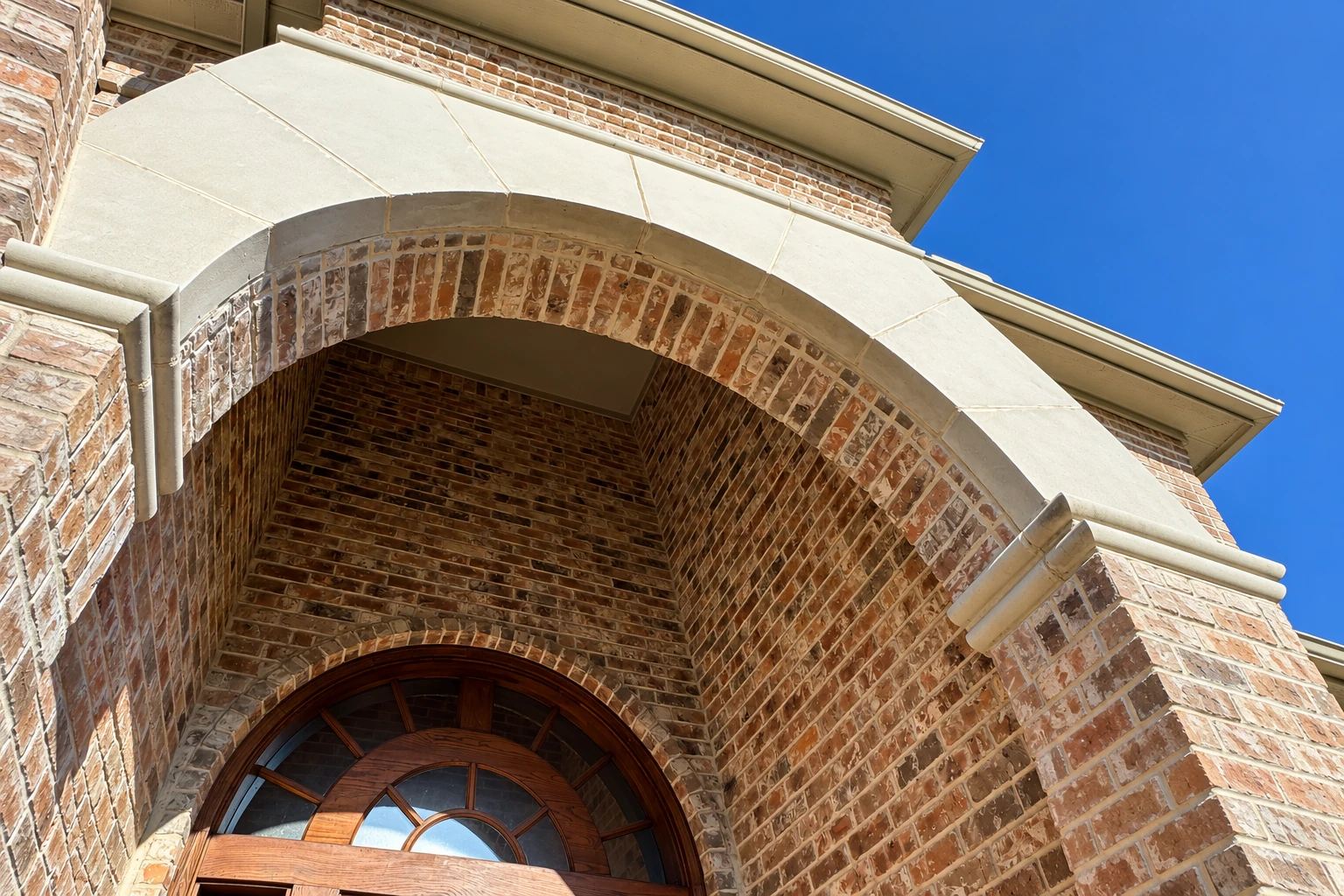
Brick repair in Fort Lauderdale usually means repointing, which is clearing the worn mortar out of the joints between your bricks and packing in new mortar so the wall holds together and sheds water again. Some people call it pointing or tuckpointing.
Most people call when the joints start to crumble, crack or look washed out near a downspout. The price turns on how many joints need work, how deep the wear goes, how high and easy the wall is to reach, and whether a drain or downspout has to be fixed first. The schedule turns on that drainage fix and, for a designated historic home, on the city's review. My written estimate lists each step and material, so you can see what your number is made of.
Why Fort Lauderdale homeowners call J&R for brick repair
I come to every estimate
I look at your wall myself, and I'm on site with our crew while the work gets done. The person who found the cause is the same one checking your joints.
Licensed and fully insured business
J&R Fort Lauderdale Concrete & Masonry is licensed and fully insured. I came to this trade from an office desk, and I still measure, check and write down every job before we start.
Based in Fort Lauderdale since 2023
I started this business in Fort Lauderdale in 2023, and we work across the cities around it, from Pompano Beach to Hollywood. I learned under an experienced mason to fix what's actually wrong.
On brick, the right repair matters more than the biggest one. Request an estimate or call (754) 228-0031, and I'll come take a look. Your satisfaction, guaranteed.
How we handle brick repair
I start by looking at the whole wall and what's above it, because worn joints usually have a reason. If a downspout or drain is washing out the mortar, I point it out and we get it fixed before we touch the brick, since otherwise the new joints just wear away the same way. Then our crew clears the worn mortar out of the joints, packs in the mix named on your estimate, tools each joint, which means pressing and shaping its face so it sheds water and matches the rest of the wall, and cleans the brick before we pack up.
Brick trouble often starts with something next to the wall. If a sunken or badly sloped driveway is sending rain toward the house, we can talk about driveway pavers laid to carry it away. Where a sloped yard keeps pushing soil and water against brick, retaining wall construction can hold the ground back so the brick isn't doing that job.
Spot repair of a few joints
This suits a wall with cracked or loose joints in one area, like under a window. We clear and fill just those joints so the repair stays small and blends with the mortar around it.
Repointing a full wall
This suits brick where the mortar is soft or sunk back across the whole wall. Patching one spot at a time would leave a patchwork while the rest keeps wearing, so we do it section by section.
Older brick with soft mortar
This suits older homes laid with softer mortar. The repair mix and the way the joints get cleared both need more thought here, so we settle them with you before any work starts.
How can you tell your brick needs repair?
Mortar that crumbles away
You rub a joint and sand falls out, or the mortar sits back from the brick face. That usually means it's worn through, and the longer it waits, the deeper we have to clear.
Cracks along the joints
A crack zigzags along the mortar lines, sometimes through a brick. Water finds it, and if it keeps widening, more of the wall ends up in the repair.
Brick that stays wet
One patch stays dark long after the rest has dried from the rain. Water is usually running down or soaking into that section, and the mortar there wears fastest.
Damp spots inside the house
Paint bubbles or the wall feels damp on the inside of an outside brick wall. On solid brick that usually means water is coming through the joints, and each storm adds to it.
What happens after you call us about brick repair?
Call and set up a visit
After you call or send a request, I come out myself and look at the whole wall. I find what's wearing the mortar and write an estimate listing each step and material.
We handle permits and repair
Once you're ready, we take care of any permit and do the work with me on site. The city's Historic Preservation Board meets monthly on designated historic homes, so we plan the start around it.
Walk the finished wall together
When the joints are done, we walk the wall with you and look it over closely. We clean up before we leave, so it's work you'd be glad to show a neighbor.
Brick repair questions we hear
These are the questions Fort Lauderdale homeowners ask most about cracked mortar, white streaks and older brick. If yours isn't here, call (754) 228-0031 and ask about your wall.
Do small mortar cracks in brick need to be fixed right away?
Not always. A cavity or veneer wall, where the brick is an outer layer with a gap or another wall behind it, can handle some extra moisture through minor cracks. On a barrier or solid mass wall, water coming through cracks is more of a problem, so those are worth fixing sooner, and I check which kind you have at the estimate.
What is the best way to choose mortar for brick repair?
Match the original. Brick trade guidance says the new mortar should copy the old mortar's ingredients and proportions and be no harder to crush than the original, because a stronger mix can make the brick faces spall, or flake off. On older homes laid in lime mortar, a hard modern Portland cement mix can make the bricks soak up moisture and fail, and when the old mortar is unknown, the guidance is to send a sample to a testing lab.
What causes white streaks on brick walls?
Heavy white streaks just below the mortar joints, or white patches across the wall, mean water has gotten into the wall higher up. So the search for the leak starts above the stain, not at it. Send a photo with your request and I'll look above it when I come out.
Do I need City approval to repair brick on a historic home in Fort Lauderdale?
Yes, if your home is a designated historic property and the work would change how the outside looks, the city requires a Certificate of Appropriateness, or COA, before the work. Permits and inspections for any brick job go through the city's Building Services division. If you're not sure whether your house is designated or whether your repair counts, ask the city before we start.
How much does brick repair cost in Fort Lauderdale?
The cost comes down to how much of the wall needs work and what's behind the damage. More joints, deeper wear, a high or hard-to-reach wall, a drainage fix first or a mortar that has to be tested and matched all raise it, while a small spot repair keeps it lower. I give you that figure in writing after I've seen the wall.
How do I make sure repointing won't damage older brick?
Ask the contractor how they'll get the old mortar out before any work starts. In one federal example, a mechanical grinder used to rake out the joints damaged the edges and corners of historic bricks. I write down how we'll clear your joints on the estimate, so you know before we begin.
Get a written brick repair estimate
Tell us where the brick is wearing and whether the home is a designated historic property. We reply within one business day to set up a visit, and I come out to write a free estimate with no obligation.
Brick and mortar repair work
Other work around your brick
Driveway pavers
If your driveway has settled into a dip or slopes toward the house, new pavers can be laid to carry rainwater away from your brick walls.
Learn moreRetaining wall construction
When a sloped yard keeps pushing wet soil against a garden wall or the side of the house, a retaining wall holds that ground back where it belongs.
Learn more